In this field guide
A metallic appearance approved on a swatch still needs a defined coating system and a production trial on the intended pack. Use Stahl’s Senoprint announcement to identify the material questions, then keep visual approval, line behaviour and end-of-life claims in separate records.
Stahl’s September 14, 2026 launch release announced the global metallic-coating portfolio. This case analysis concerns the paper-and-board applications described in that announcement; it does not approve a coating for every substrate or finished package.
Identify what Stahl announced
The company says the portfolio brings together an established range previously sold as LustreCoat in North America under the Senoprint brand. Its announcement describes silver and gold metallic finishes applied during printing, paired with a protective topcoat. It lists UV-based and water-based formulations and paper-and-board applications.
Those are supplier descriptions. Packaging Europe reported the release in its September 14 coverage; that coverage is not independent testing of the finished pack. The underlying sources read for this analysis were Stahl’s dated launch release and its current metallic-coatings product page.
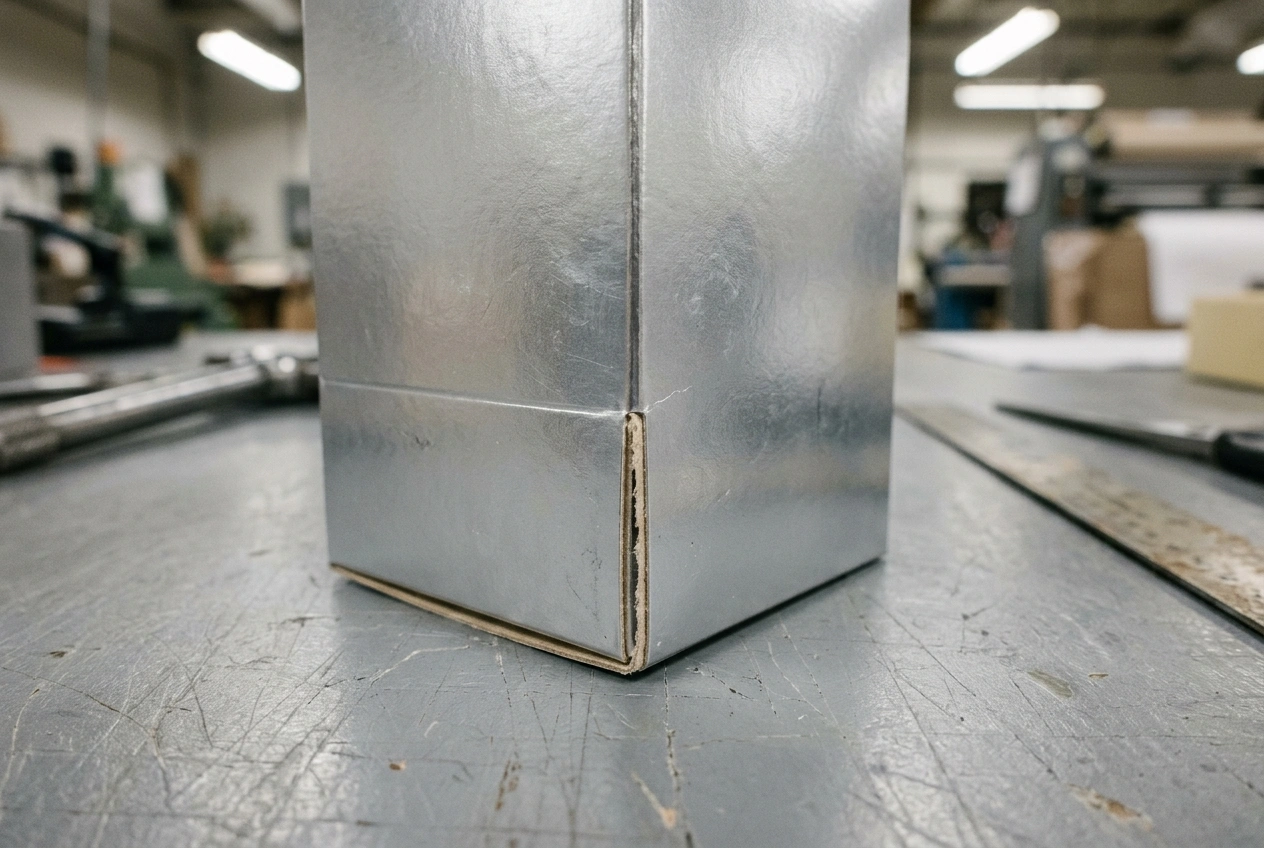
The metallic-effect carton corner is a generic illustration of a decorated fold and surface. It is not a Senoprint sample and provides no evidence about coating durability.
Record the complete decoration stack
Ask the converter to identify the board, base print, metallic coating and protective topcoat, including the product references and application process. The package should be evaluated as that combination, rather than by the metallic layer’s name alone.
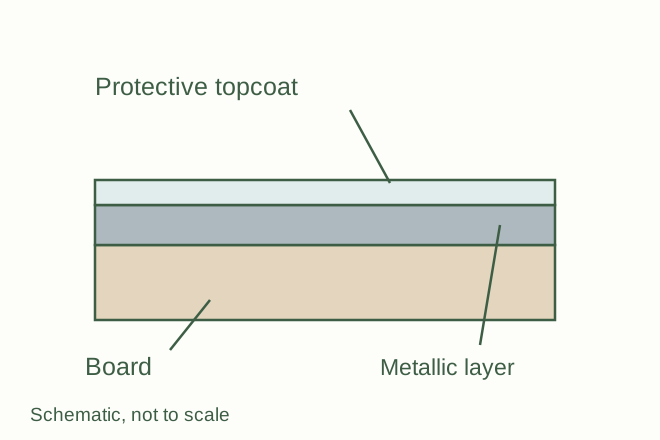
The section separates the supporting board, metallic-effect layer and protective topcoat. It is a conceptual relationship based on Stahl’s description. Actual stacks may include other print or coating layers; the diagram gives neither thicknesses nor a production recipe.
Stahl’s launch wording and the process list on its metallic-coatings product page, accessed October 16, 2026, are not identical. Confirm the exact coating product and intended printing process with the supplier. Do not extend the announcement’s paper-and-board scope to plastic film just because a broader product-page discussion mentions flexible formats.
Translate the appearance into trial observations
| Review area | Evidence to define | Observation to record |
|---|---|---|
| Appearance | Approved physical reference and viewing condition | Difference after converting and handling |
| Fold | Intended board, crease and decoration coverage | Visible change at the fold |
| Glue or closure | Actual faces and adhesive/process requirements | Closure formation under the agreed trial |
| Handling | Machine-contact and accumulation conditions | Scuffs or transfer observed on retained samples |
| Coding | Intended code location and process | Readability and location on the finished pack |
| Material claim | Exact statement, supporting documents and scope | Review decision by the responsible party |
These are proposed design-review fields. The announcement supplies no pass limits for them. Define the relevant methods with the converter, coating supplier and responsible quality team.
Keep the converted sample linked to its revision
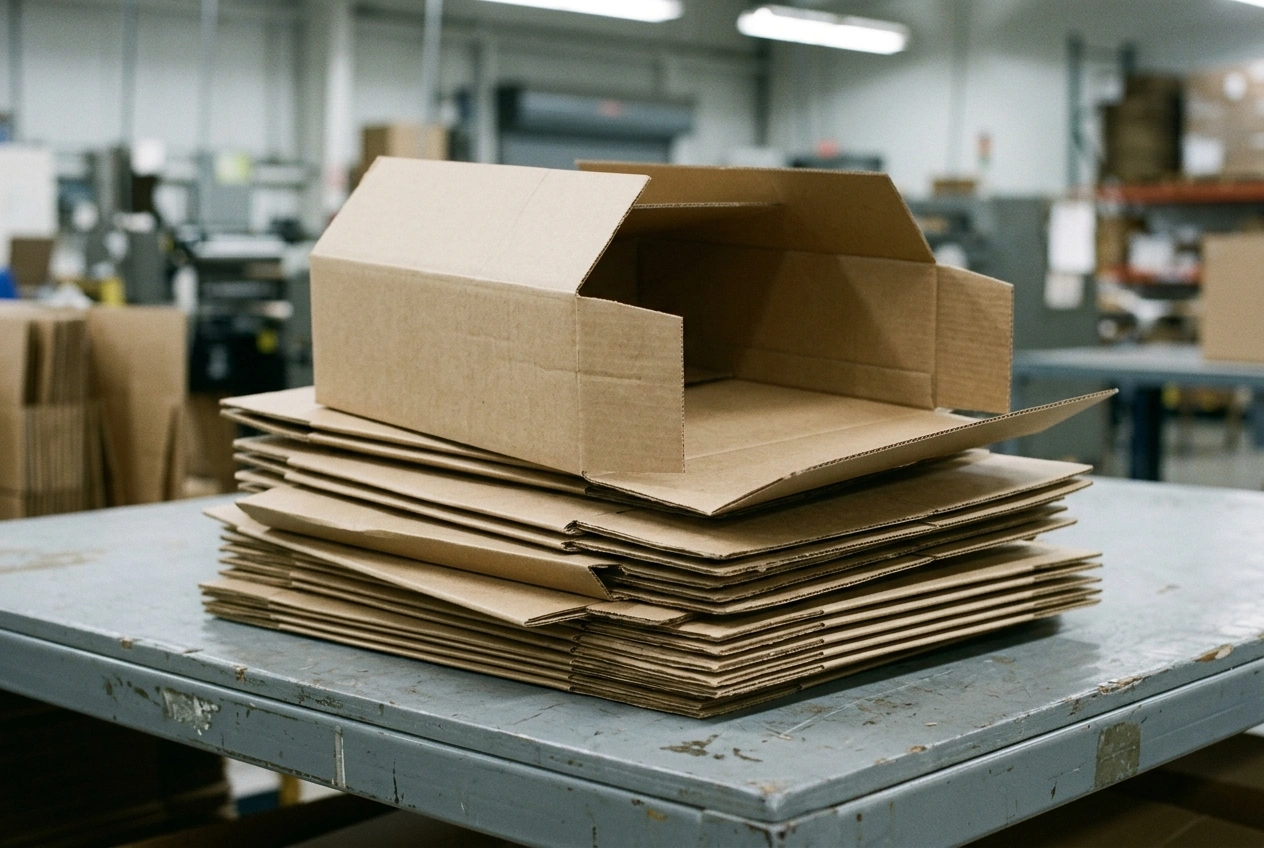
Carton mock-ups help discuss the change from flat material to a formed package. For a coating decision, obtain production-intended decorated samples and identify how they were converted. A generic mock-up cannot establish whether a particular metallic system survives a crease or machine contact.
Record the material and artwork revisions, process references and trial conditions. If the topcoat or substrate changes, determine which earlier observations still represent the new package. Keep a failed sample where possible and describe what changed, rather than labelling the whole coating family unsuitable.
Read environmental claims at package level
Stahl describes de-inking, recovery through paper streams and designs intended to address packaging regulation. These are company claims in the retrieved materials. They do not constitute an independent compliance determination or proof of a local collection and recycling outcome for your finished carton.
Request the evidence relevant to the exact construction and destination market. Keep any food-contact assessment separate; the product page itself describes suitability as application-specific. This article provides no legal deadline, regulatory approval or universal recyclability conclusion.
The packaging materials guide connects this case to other evidence reviews. Use the automation handoff record when the decorated sample moves from design approval into a line trial.